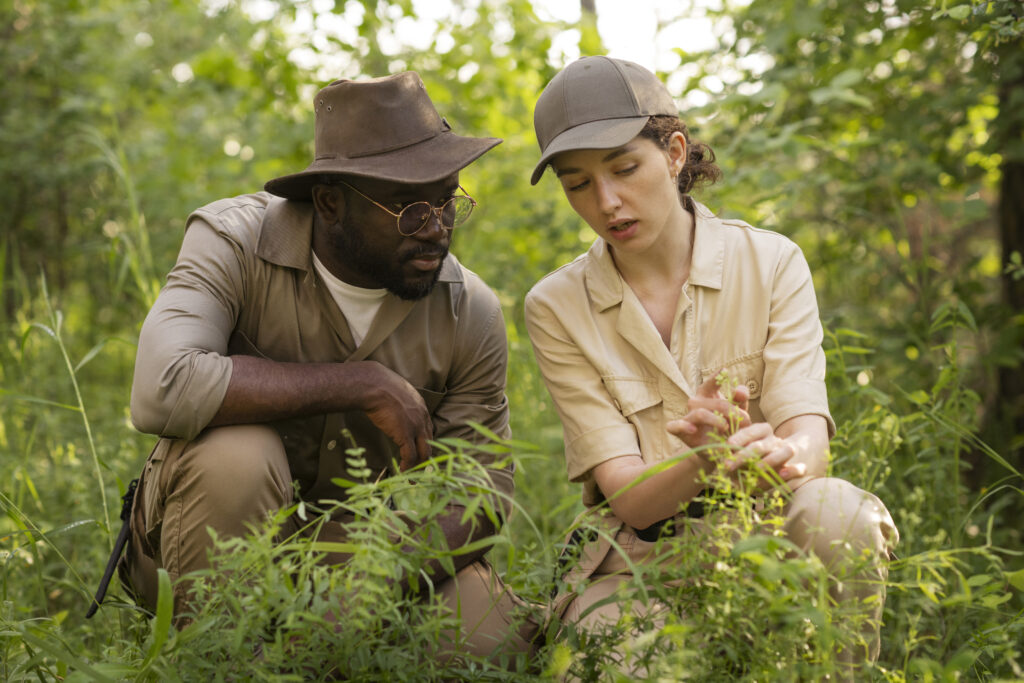
South Africa’s environmental sector continues to create meaningful opportunities for graduates seeking careers in conservation science, GIS mapping, biodiversity protection, and water resource management. One of the country’s leading conservation authorities, CapeNature, has officially opened applications for its Graduate Internship Programme 2026.
This highly competitive programme offers two specialised internship streams designed for graduates who want to gain hands-on experience in environmental monitoring, spatial data systems, and regulatory compliance. With applications closing on 22 April 2026, candidates are encouraged to prepare and apply early.
Why the CapeNature Graduate Internship Programme Matters
The CapeNature Graduate Internship Programme 2026 is not a typical entry-level programme. It provides technical, field-based experience that directly contributes to South Africa’s environmental sustainability goals.
Interns will work on real-world conservation challenges, including:
- Biodiversity data management
- Freshwater ecosystem monitoring
- GIS mapping for conservation planning
- Fire and invasive species tracking
- Compliance with environmental legislation such as the National Water Act
This level of exposure makes the programme a powerful stepping-stone into long-term careers in environmental science and policy.
Related Opportunities 2026
• Funding Bursaries
• Youth Opportunities
• Internship Programme
• Learnership Programme
• Online Courses
Programme Overview
- Programme Name: CapeNature Graduate Internship Programme 2026
- Organisation: CapeNature
- Contract Type: Fixed-term graduate internship
- Location:
- Jonkershoek Nature Reserve, Stellenbosch
- Cape Town Office
- Eligibility: South African citizens only
- Employment Status: Must be unemployed
- Driver’s Licence: Required
- Application Method: Online via CapeNature careers portal
- Closing Date: 22 April 2026
Internship Stream 1: Ecological Technician – Freshwater
Location: Jonkershoek Nature Reserve (Stellenbosch)
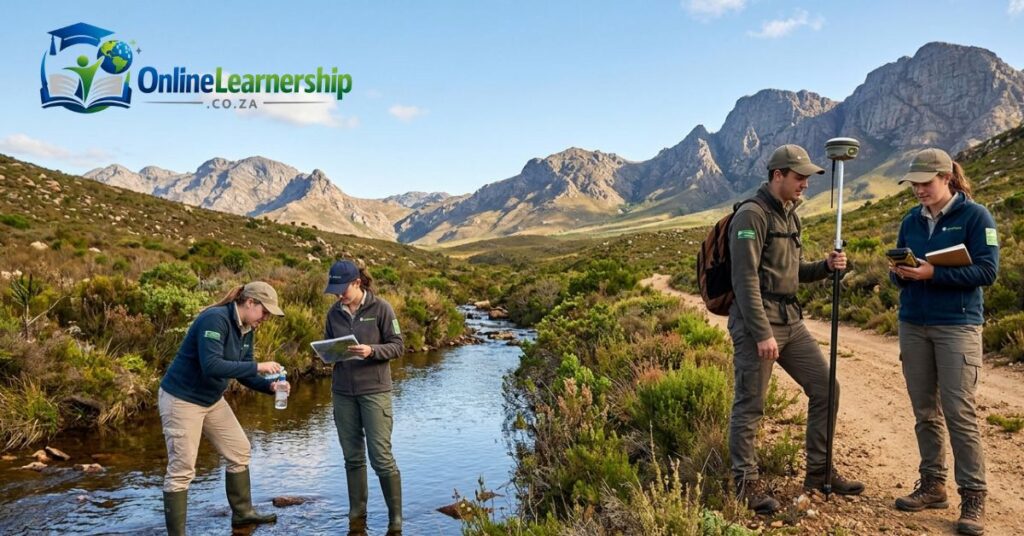
This internship falls under CapeNature’s Integrated Catchments Sub-Directorate and focuses on protecting freshwater ecosystems—one of South Africa’s most threatened natural resources.
Why Freshwater Conservation Is Critical
Freshwater systems in South Africa face increasing pressure from:
- Pollution
- Climate change
- Invasive species
- Land-use changes
- Water abstraction
This internship plays a direct role in supporting compliance with the National Water Act and improving ecosystem health.
Key Responsibilities
1. Water Use Licence Compliance
Interns will assist in:
- Conducting desktop compliance audits
- Identifying gaps in Water Use Licences (WULs)
- Supporting licence applications
- Verifying compliance under General Authorisations
This experience is highly valuable for careers in environmental regulation and compliance.
2. Freshwater Data Management
You will help convert raw ecological data into structured, scientifically validated datasets, including:
- SASS5 biomonitoring scores
- Wetland health assessments
- Aquatic biodiversity records
This ensures accurate reporting and supports evidence-based conservation decisions.
3. Fieldwork and Monitoring
Interns will gain hands-on field experience by:
- Assisting with river and wetland assessments
- Supporting freshwater monitoring programmes
- Compiling site reports
- Conducting literature reviews
- Contributing to environmental management plans
Minimum Requirements
Qualifications:
- MSc or Honours degree in:
- Freshwater Ecology
- Environmental Science
- Conservation Biology
- Water Science or related field
Technical Skills:
- Knowledge of the National Water Act
- Experience with SASS5 biomonitoring
- Wetland assessment knowledge
- Ability to identify aquatic fauna
Additional Requirements:
- Valid driver’s licence
- Ability to work in remote environments
- Physical fitness for fieldwork
Internship Stream 2: GIS Technician
Location: Cape Town Office
This internship is part of CapeNature’s Biodiversity Capabilities Team and focuses on spatial data systems that support conservation planning and decision-making.
Why GIS Skills Are in High Demand
GIS professionals are essential in modern conservation. They support:
- Wildfire response mapping
- Biodiversity planning
- Invasive species tracking
- Environmental reporting
- Catchment management strategies
This internship provides real-world GIS experience that is transferable across industries.
Key Responsibilities
1. Spatial Data Management
- Capture and verify spatial datasets
- Ensure GIS compliance with organisational standards
- Assist with mapping during wildfire response
2. Database Development
- Convert legacy mapping data into structured GIS systems
- Standardise spatial datasets
- Support municipalities and conservation partners
3. Reporting and Analysis
Interns will contribute to major environmental reports, including:
- Conservation Status Reports
- Annual Fire Reports
- Invasive Species Reports
- Catchment-to-Coast Strategy
Minimum Requirements
Qualifications:
- Diploma or Degree (NQF Level 7 or higher) in:
- Geomatics
- Environmental Science
- Conservation Science
- Biological Sciences
Technical Skills:
- Working knowledge of:
- ArcGIS
- QGIS
- GPS systems
- Cartography
- Spatial analysis
Additional Requirements:
- Valid driver’s licence
- Strong computer literacy
Essential Skills CapeNature Is Looking For
Across both internship streams, successful candidates should demonstrate:
- Strong organisational skills
- Attention to detail
- Ability to meet deadlines
- Teamwork and independence
- Scientific problem-solving ability
- Professional communication skills
These competencies are critical for building a successful career in environmental science.
How to Apply for the CapeNature Internship 2026
Before applying, prepare the following documents:
- Updated CV
- Certified copy of ID
- Academic transcripts
- Qualification certificates
- Driver’s licence copy
- Supporting certifications (if applicable)
Important:
Applications must be submitted online before 22 April 2026. Late applications will not be considered.
APPLY FOR THE ECOLOGICAL TECHNICIAN – FRESHWATER INTERNSHIPS HERE
APPLY FOR THE GIS TECHNOLOGIST INTERNSHIPS HERE
Tips to Improve Your Chances
Environmental internships are highly competitive. To stand out:
Strengthen Your CV
Include:
- SASS5 training certification
- GIS software proficiency (ArcGIS/QGIS)
- Fieldwork experience
- Wetland or biodiversity research projects
- GPS mapping skills
- Environmental law coursework
Showcase Academic Work
Highlight:
- Honours or undergraduate research projects
- Topics related to conservation or biodiversity
- Participation in ecological monitoring programmes
CapeNature values candidates who can demonstrate evidence-based scientific capability.
Career Benefits of the Programme
Joining the CapeNature Graduate Internship Programme 2026 offers:
- Real-world conservation experience
- Exposure to environmental legislation
- Advanced GIS and data management skills
- Networking within the environmental sector
- Strong career foundation in sustainability
Graduates who complete this programme are well-positioned for roles in:
- Environmental consulting
- Government agencies
- NGOs
- Research institutions
Frequently Asked Questions (FAQs)
1. Is the internship paid?
Yes. CapeNature internships typically offer a stipend aligned with provincial internship frameworks. Final details are confirmed during appointment.
2. Can final-year students apply?
No. Applicants must have already completed their qualifications at the time of application.
3. Do I need GIS experience for the Freshwater internship?
No. However, freshwater applicants must have SASS5 biomonitoring training and ecological knowledge.
4. Will I be required to do fieldwork?
Yes. Both internships involve:
- Field visits
- Ecological monitoring
- Conservation-related activities
5. Can applicants from outside the Western Cape apply?
Yes. However, successful candidates may need to relocate.
6. Which internship requires a postgraduate degree?
The Freshwater Ecological Technician role requires an Honours or MSc degree. The GIS internship requires at least an NQF Level 7 qualification.
Final Thoughts
The CapeNature Graduate Internship Programme 2026 is a rare opportunity for South African graduates to gain meaningful, hands-on experience in conservation science and environmental management.
With increasing demand for skilled professionals in biodiversity protection, GIS mapping, and water resource management, programmes like this play a critical role in shaping the future of South Africa’s environmental sector.
If you meet the requirements, submit your application before 22 April 2026 and take the first step toward a career that makes a real environmental impact.

Thato Sabethwa is a passionate education advocate and digital content creator dedicated to helping young South Africans access valuable career and learning opportunities. With a strong belief in the power of skills development, Thato writes informative articles about learnerships, internships, bursaries, and job readiness. Through OnlineLearnership.co.za, Thato aims to guide students and job seekers toward the right opportunities that can shape their future. Her content focuses on practical advice, career tips, and reliable updates to empower readers to make informed decisions about their education and career paths.