How Fraudsters Are Selecting Beneficiaries in the New SASSA Scam Warning 2026
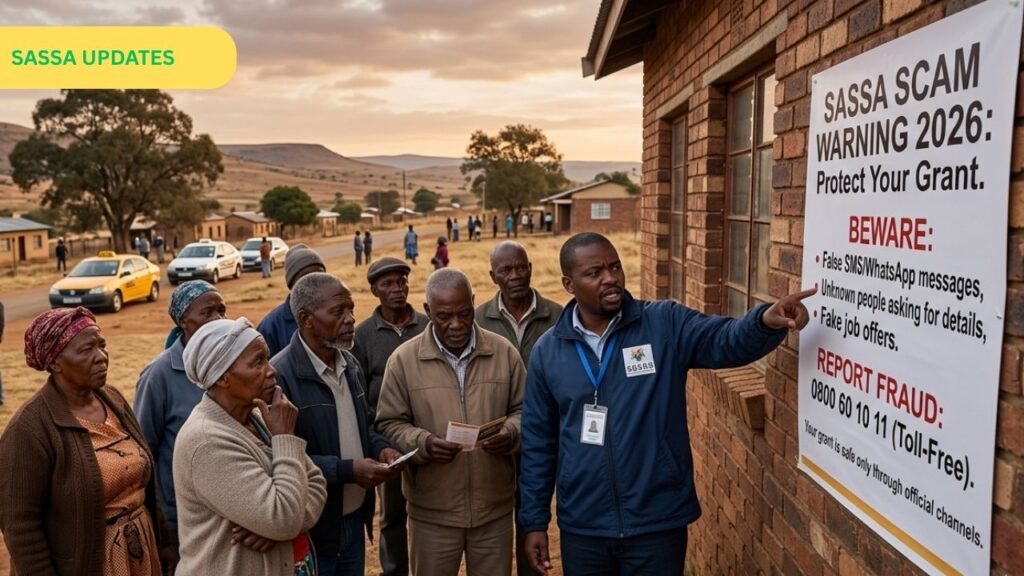
Scams targeting beneficiaries of the South African Social Security Agency have reached an alarming level of sophistication in 2026. What was once limited to random SMS phishing attempts has evolved into coordinated schemes involving social media, fake job listings, fraudulent insurance products, and even in-person deception. SASSA Scam Warning 2026
For millions of South Africans who depend on social grants for survival, understanding how these scams work is no longer optional. It is essential.
This article provides a comprehensive breakdown of how fraudsters are selecting victims, the latest scam trends, warning signs to watch for, and how to protect yourself and your finances.
A Brief Overview of the 2026 SASSA Scam Wave
The latest scam wave is not random. Criminals are becoming more strategic in how they identify and target victims.
Who is most affected:
- Elderly grant recipients
- Unemployed youth
- Social Relief of Distress (SRD) beneficiaries
Most common scam types:
- Fake job offers
- Unauthorized deductions
- Funeral insurance scams
- Fake “back pay” claims
Primary risks:
- Loss of grant money
- Identity theft
- Unauthorized monthly deductions
Key advice:
Always verify information through official SASSA platforms before taking any action.
Related Opportunities 2026
• Funding Bursaries
• Youth Opportunities
• Internship Programme
• Learnership Programme
• Online Courses
Understanding the Role of SASSA in South Africa
The South African Social Security Agency plays a critical role in the country’s social protection system. It distributes financial assistance to millions through:
- Old age grants
- Child support grants
- Disability grants
- SRD (Social Relief of Distress) grants
For many households, these payments are the difference between stability and poverty. That dependency makes beneficiaries a prime target for fraudsters.
The New Wave of SASSA Scams in 2026
1. Fake Re-Registration Messages
One of the most widespread scams involves messages claiming beneficiaries must “re-register” or risk losing their grants.
How it works:
- Messages circulate on WhatsApp, Facebook, and TikTok
- They create panic and urgency
- Victims are asked to click links or submit personal details
Reality:
SASSA has confirmed there is no mass re-registration process. These messages are fraudulent.
2. Unauthorized Deduction Scams
This scam is particularly harmful because victims often do not realize they have been deceived.
How it works:
- Fraudsters present documents for “grant updates”
- Victims unknowingly sign consent forms
- Monthly deductions are applied for services like funeral cover
Impact:
- Reduced grant payments
- Long-term financial loss
- Difficult reversal process
Elderly beneficiaries are especially vulnerable to this tactic.
3. Fake Job Opportunities Targeting Youth
With unemployment remaining high, scammers are exploiting job seekers with fake opportunities linked to SASSA.
Common examples:
- “SASSA Admin Jobs” advertised on social media
- Listings on unofficial platforms
- Requests for application or processing fees
Truth:
SASSA does not recruit through unofficial channels or charge application fees.
4. Funeral Insurance Scams
Fraudsters often impersonate insurance providers claiming affiliation with SASSA.
Tactics include:
- Using SASSA logos to appear legitimate
- Promising funeral benefits
- Setting up unauthorized debit deductions
SASSA has clearly stated it does not partner with private insurers for such services.
5. Fake Back Pay and Grant Claims
Another growing trend involves promises of money owed to beneficiaries.
Typical claims:
- Recover “missed” SRD payments
- Claim unpaid grants from previous years
- Fix grant issues after SIM card changes
Goal:
Steal banking details and personal information.
How Fraudsters Select Their Victims
Scammers are no longer operating randomly. They are using calculated methods to identify vulnerable individuals.
Targeting Based on Financial Need
People who rely heavily on grants are more likely to respond quickly to urgent messages.
Monitoring Social Media Activity
Fraudsters scan platforms for users discussing:
- Grant delays
- Financial struggles
- Job searches
Exploiting Trust in Authority
By impersonating SASSA officials, scammers leverage institutional trust.
Using Data Leaks and Shared Information
Phone numbers and ID details are sometimes obtained through:
- Previous scams
- Data breaches
- Public sharing of personal information
The Psychology Behind the Scams
These scams succeed because they manipulate human emotions.
Urgency
“Act now or lose your grant” creates panic and rushed decisions.
Authority
Use of official logos and formal language builds trust.
Opportunity
Promises of money or jobs appeal to those in need.
Fear
Threats of grant suspension push victims to comply quickly.
This combination makes scams highly effective, especially among vulnerable populations.
Why SASSA Beneficiaries Are Prime Targets
There are several reasons why scammers focus on SASSA beneficiaries:
- Millions depend on monthly payments
- Many beneficiaries face financial pressure
- Limited access to digital literacy resources
- High trust in government institutions
Criminals exploit these factors to maximize success.
Red Flags: How to Identify a Scam
Recognizing warning signs can prevent financial loss.
Be cautious if you encounter:
- Requests for your PIN or banking details
- Messages demanding payment for services
- Links not from official SASSA websites
- Threats of immediate grant cancellation
- Offers that sound too good to be true
Remember: SASSA services are always free.
How to Protect Yourself in 2026
What You Should Do
- Verify all information through official SASSA channels
- Visit your nearest SASSA office if unsure
- Keep your ID number and PIN confidential
- Report suspicious activity immediately
What You Should Avoid
- Sharing personal details on WhatsApp or social media
- Clicking unknown or suspicious links
- Paying fees to “fix” or “speed up” your grant
- Trusting unofficial job advertisements
What to Do If You Are Scammed
If you suspect fraud, act immediately:
- Report the incident to SASSA
- Contact your bank to secure your account
- Open a case with the police
- Change all PINs and passwords
Quick action can limit financial damage and prevent further losses.
Why This Issue Matters Now
The rise in SASSA-related scams reflects a broader trend: criminals are evolving faster than public awareness.
As opportunities such as grants, internships, and employment programs grow, so do fake versions designed to exploit them.
The key mindset shift for 2026 is simple:
Verify first, trust later.
Frequently Asked Questions (FAQs)
Are WhatsApp messages from SASSA legitimate?
Most are not. Always confirm through official SASSA channels before responding.
Does SASSA charge fees for its services?
No. All SASSA services are free.
Can SASSA ask for my PIN?
No. Your PIN should never be shared with anyone.
Are SASSA job posts on social media real?
Only if posted on official, verified platforms.
What should I do if I clicked a suspicious link?
Immediately contact your bank, change your passwords, and report the incident to SASSA.
Final Thoughts
The SASSA scam warning for 2026 highlights a serious and growing threat. Fraudsters are becoming more organized, more convincing, and more targeted in their approach.
However, every scam shares one common weakness: it depends on victims failing to verify information.
If there is one rule to remember, it is this:
If it does not come from official SASSA channels, do not trust it.
Disclaimer
This article is for informational purposes only and is based on publicly available warnings and trends related to SASSA scams in 2026. It does not constitute legal, financial, or official government advice. For verified information, always refer directly to official SASSA communication channels or visit a SASSA office.

Thato Sabethwa is a passionate education advocate and digital content creator dedicated to helping young South Africans access valuable career and learning opportunities. With a strong belief in the power of skills development, Thato writes informative articles about learnerships, internships, bursaries, and job readiness. Through OnlineLearnership.co.za, Thato aims to guide students and job seekers toward the right opportunities that can shape their future. Her content focuses on practical advice, career tips, and reliable updates to empower readers to make informed decisions about their education and career paths.